Planning Your Distinctive Design: A Step-by-Step Guide
Learn how to create a design brief that captures your unique business attributes and stands out in a crowded market.
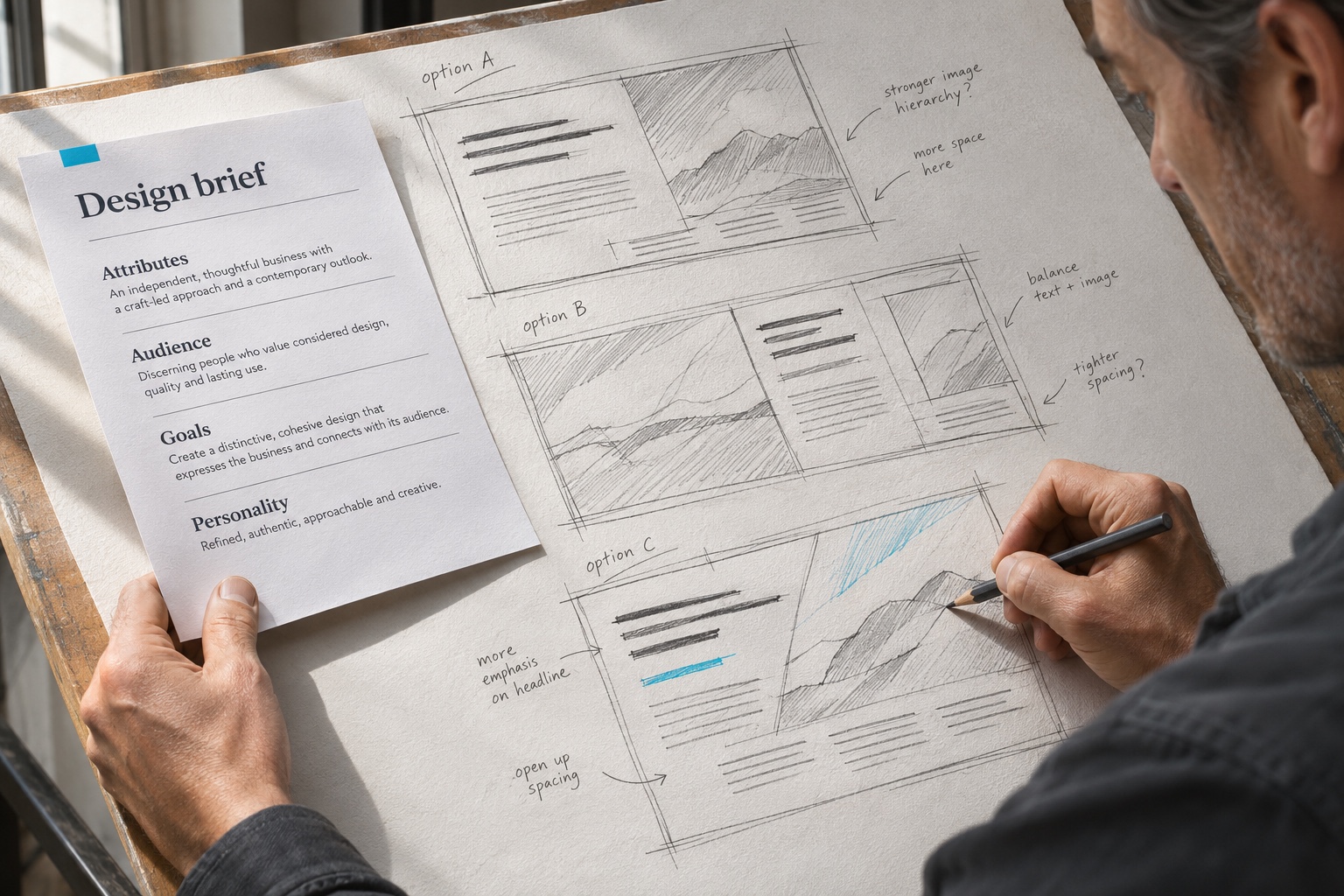
Imagine this: Your business has grown, but your branding still feels generic. You know it’s time for a refresh, but where to start? The answer lies in creating a design brief that truly captures your unique business attributes. This is not just about aesthetics; it’s about ensuring that every visual element aligns with your strategic direction. A well-crafted design brief serves as a roadmap, guiding your designers to create a distinctive identity that sets you apart.
Understanding Your Business Attributes
The first step in planning a distinctive design is to thoroughly understand your business attributes. This includes your mission, values, target audience, and unique selling points. For instance, if you’re a tech startup focusing on innovation and customer-centric values, your design brief should reflect these attributes. This clarity ensures that your design choices are not just visually appealing but also strategically sound.
Consider a hypothetical example: A small tech startup wants to refresh its brand. Their design brief highlights their innovative approach and customer-centric values. This unique positioning helps them stand out in a crowded market, attracting customers who value innovation and personalised service. By clearly defining these attributes, the design team can create a visual language that resonates with the target audience.
The Role of Strategic Clarity
Strategic clarity is crucial in creating a distinctive design. It ensures that every design choice aligns with your business goals and values. Without it, you risk creating a disjointed brand that confuses customers and fails to communicate your unique value. Strategic clarity provides a clear direction and positioning before any visual work begins, ensuring that your design brief is grounded in a solid foundation.
For example, if your business values sustainability, your design brief should reflect this. This could mean using eco-friendly materials, incorporating natural elements into your design, or even choosing a colour palette that evokes a sense of nature. By aligning your design choices with your strategic direction, you create a cohesive and memorable brand identity.
Crafting a Comprehensive Design Brief
A comprehensive design brief should include several key elements. First, it should outline your business attributes, as discussed earlier. Second, it should define your target audience and their needs. This helps your designers create a visual language that resonates with your customers. Third, it should specify your design goals and objectives. Are you looking to attract new customers, retain existing ones, or both? Finally, it should include any design constraints or preferences, such as colour schemes, typography, or imagery styles.
Let’s say you’re a financial services company aiming to attract young professionals. Your design brief should reflect this target audience, focusing on modern, clean design elements that appeal to this demographic. By including these details in your brief, you provide your designers with a clear roadmap, ensuring that the final design meets your business objectives.
Additionally, your design brief should include a section on brand personality. This helps your designers understand the tone and voice of your brand, ensuring that the visual language aligns with your overall brand strategy. For instance, if your brand is playful and approachable, your design should reflect this. On the other hand, if your brand is professional and authoritative, your design should convey this as well.
Ensuring Consistency Across Touchpoints
Consistency is key in creating a distinctive design. It ensures that your brand is recognisable and memorable across all touchpoints, from your website to your business cards. A cohesive visual language builds trust and recognition, making your brand stand out in a crowded market. To achieve this, your design brief should outline the key design elements that will be consistent across all touchpoints. This could include your logo, colour scheme, typography, and imagery styles.
For example, if your brand uses a specific colour palette, this should be consistent across all touchpoints. This consistency helps customers recognise your brand, even if they encounter it in different contexts. Similarly, if your brand has a unique logo, this should be used consistently across all touchpoints, ensuring that your brand is instantly recognisable.
Moreover, your design brief should include guidelines on how to adapt these design elements for different touchpoints. For instance, your logo might need to be simplified for use on small screens, or your colour scheme might need to be adjusted for print materials. By including these guidelines in your brief, you ensure that your design remains consistent and recognisable across all touchpoints.
In conclusion, creating a design brief that captures your unique business attributes is essential for planning a distinctive design. It provides a clear roadmap for your designers, ensuring that every visual element aligns with your strategic direction. By understanding your business attributes, ensuring strategic clarity, crafting a comprehensive design brief, and maintaining consistency across touchpoints, you can create a distinctive design that sets your brand apart.